
You've booked the appointment. Maybe you've been thinking about it for months, or maybe a teacher's comment finally pushed you to act. Either way, walking into a speech therapy clinic for the first time can feel daunting — for you and your child. This step-by-step guide covers exactly what happens, what to bring, what the therapist will do, and how to make the experience positive for everyone involved.
Before the Session: What to Prepare
A little preparation goes a long way. Here's what to gather before your appointment:
Documents to Bring
- Medical history: Any relevant diagnoses, hearing test results, or developmental reports
- School reports: Teacher observations about communication, behaviour, or academic concerns
- Previous therapy records: If your child has had speech, occupational, or other therapy before, bring progress notes or discharge summaries
- Videos: Short clips of your child communicating at home — playing, requesting, responding to questions. These are incredibly valuable because children often behave differently in a clinic than at home
Information to Think About
The therapist will ask you detailed questions. Having answers ready saves time and ensures nothing important is missed:
- When did you first notice a concern?
- What words or sounds does your child use?
- How does your child communicate needs — words, gestures, pointing, crying?
- Does your child understand instructions at home?
- What languages are spoken at home?
- Any family history of speech, language, or learning difficulties?
- Pregnancy and birth history — premature birth, NICU stay, feeding difficulties?
Preparing Your Child
- Keep it simple and positive: "We're going to meet someone who helps kids with talking. You'll play some games and look at some toys"
- Don't over-promise: Avoid saying "it'll be fun!" — let the child decide for themselves
- Bring a comfort item: A favourite toy or snack can help them feel safe in an unfamiliar environment
- Schedule wisely: Avoid booking during nap time or when your child is typically tired or hungry
What Happens During the First Session
The first session is primarily an assessment, not active therapy. Here's the typical flow at a clinic like Rapture Therapy Centre:
Step 1: Parent Interview (15–20 minutes)
The therapist will sit with you (usually while the child plays nearby) and take a comprehensive case history. They'll ask about:
- Developmental milestones — when did your child sit, crawl, walk, say first words?
- Current communication abilities — what the child says, understands, and how they express needs
- Medical and birth history
- Family structure, languages, and daily routines
- Your specific concerns and what prompted the visit
Be honest and specific. Don't downplay concerns — the therapist needs accurate information to make a proper assessment.
Step 2: Observation and Assessment (20–30 minutes)
The therapist will interact directly with your child through play-based activities. This is not "testing" in the traditional sense — there are no right or wrong answers. The therapist is observing:
- How your child communicates: Words, sounds, gestures, eye contact, facial expressions
- Speech clarity: Which sounds are correct, which are missing or substituted
- Language comprehension: Can they follow directions? Identify objects? Respond to questions?
- Play skills: Imaginative play, parallel play, social engagement
- Oral-motor function: How the lips, tongue, and jaw move during speech and non-speech tasks
- Attention and behaviour: Can they focus on an activity? How do they respond to transitions?
Don't worry if your child doesn't "perform": Therapists are experienced at assessing children who are shy, uncooperative, or anxious. Even a child who refuses to engage provides useful clinical information. The therapist may use your home videos to supplement the observation.
Step 3: Standardised Testing (if appropriate)
Depending on your child's age and cooperation level, the therapist may administer formal assessment tools:
- Receptive language tests: Pointing to pictures when named, following instructions of increasing complexity
- Expressive language tests: Naming pictures, completing sentences, describing scenes
- Articulation tests: Producing specific sounds in words (e.g., "say 'sun,' 'bus,' 'missing'")
- Oral-motor examination: Checking lip closure, tongue movement, jaw stability, and palatal function
Not every first session includes formal testing — particularly if the child is very young (under 2) or not yet comfortable. The therapist may schedule a second assessment session if more information is needed.
Step 4: Feedback and Recommendations (10–15 minutes)
At the end of the session, the therapist will share their initial impressions with you:
- What they observed — strengths and areas of concern
- Whether your child's skills are within the typical range, mildly delayed, or significantly delayed
- Whether therapy is recommended, and if so, how frequently
- Specific goals that therapy would target
- Immediate strategies you can start using at home
A detailed written report typically follows within 3–5 working days.
Common Parent Questions
"Will my child cry?"
They might, especially if they're not used to being in new environments with unfamiliar adults. This is normal and doesn't affect the quality of the assessment. Therapists are trained to work with upset children and will pace the session accordingly.
"Can I stay in the room?"
In most cases, yes. At Rapture Therapy Centre, we encourage at least one parent to be present during the first session. For subsequent therapy sessions, the therapist will advise whether parent presence helps or hinders the child's engagement.
"What if they say nothing is wrong?"
That's a positive outcome. A professional evaluation that confirms your child is developing within the typical range is reassuring — and the therapist can provide monitoring milestones so you know what to watch for going forward.
"Will they diagnose my child with something?"
A speech-language pathologist can diagnose speech and language disorders. They cannot diagnose autism, ADHD, or intellectual disability — those require referral to a developmental pediatrician or clinical psychologist. However, the SLP will flag any concerns and recommend appropriate referrals.
After the First Session
Once the assessment is complete:
- Review the written report carefully — ask questions about anything you don't understand
- Start home strategies immediately — don't wait for therapy to begin. Even simple changes like narrating daily routines, reducing screen time, and following your child's lead in play can make a difference
- Schedule regular sessions if therapy is recommended — consistency is the single biggest predictor of progress
- Be patient with yourself — processing a new diagnosis or concern takes time. It's okay to feel worried, relieved, or a mix of both
Your First Session at Rapture Therapy Centre
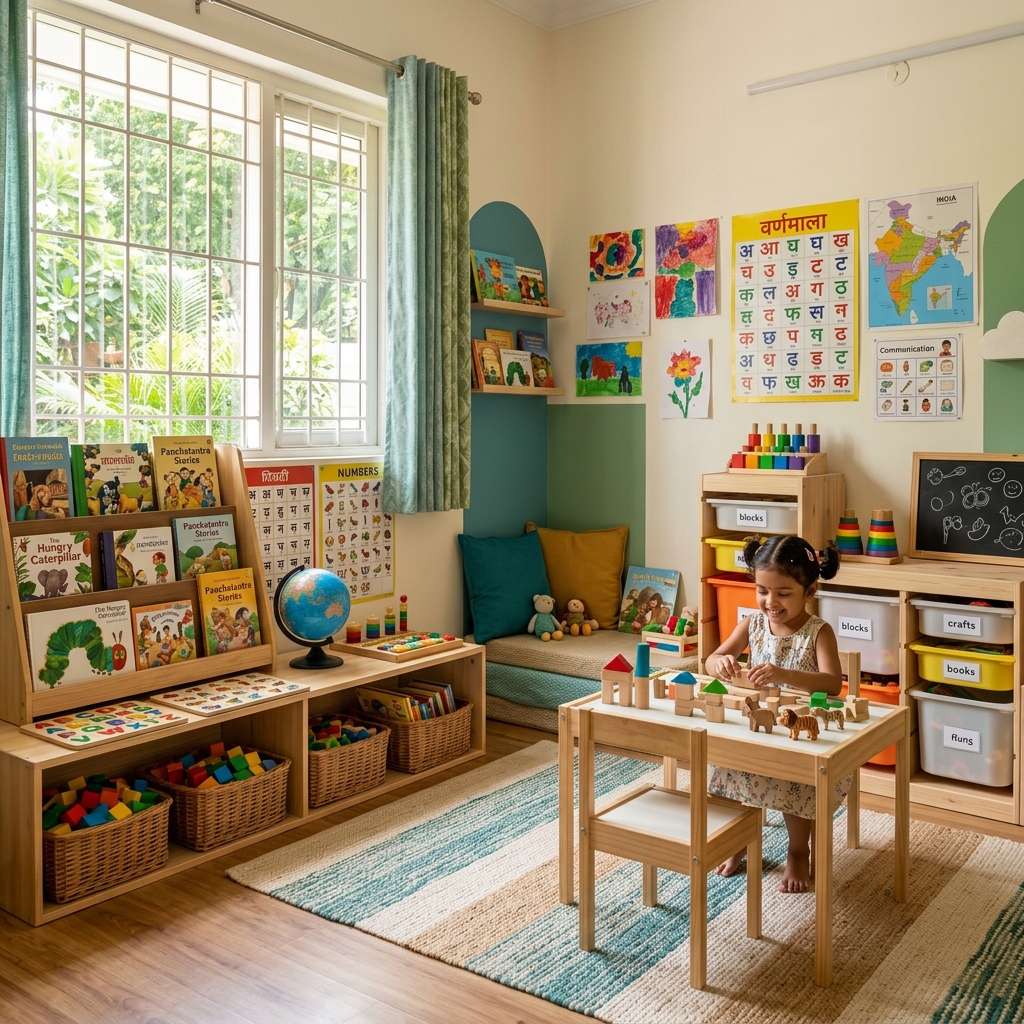
At Rapture Therapy Centre in Rajarajeshwari Nagar, Bangalore, first sessions are designed to be warm, thorough, and pressure-free. Our therapy rooms are child-friendly, our therapists are experienced with nervous first-timers, and we prioritise making every family feel heard. You'll leave with a clear understanding of where your child is, what they need, and exactly how we can help.
Ready to Take That First Step?
The hardest part is making the call. Everything after that is our job. Book your child's first assessment at Rapture Therapy Centre — we'll guide you through every step.
Book Your First Session