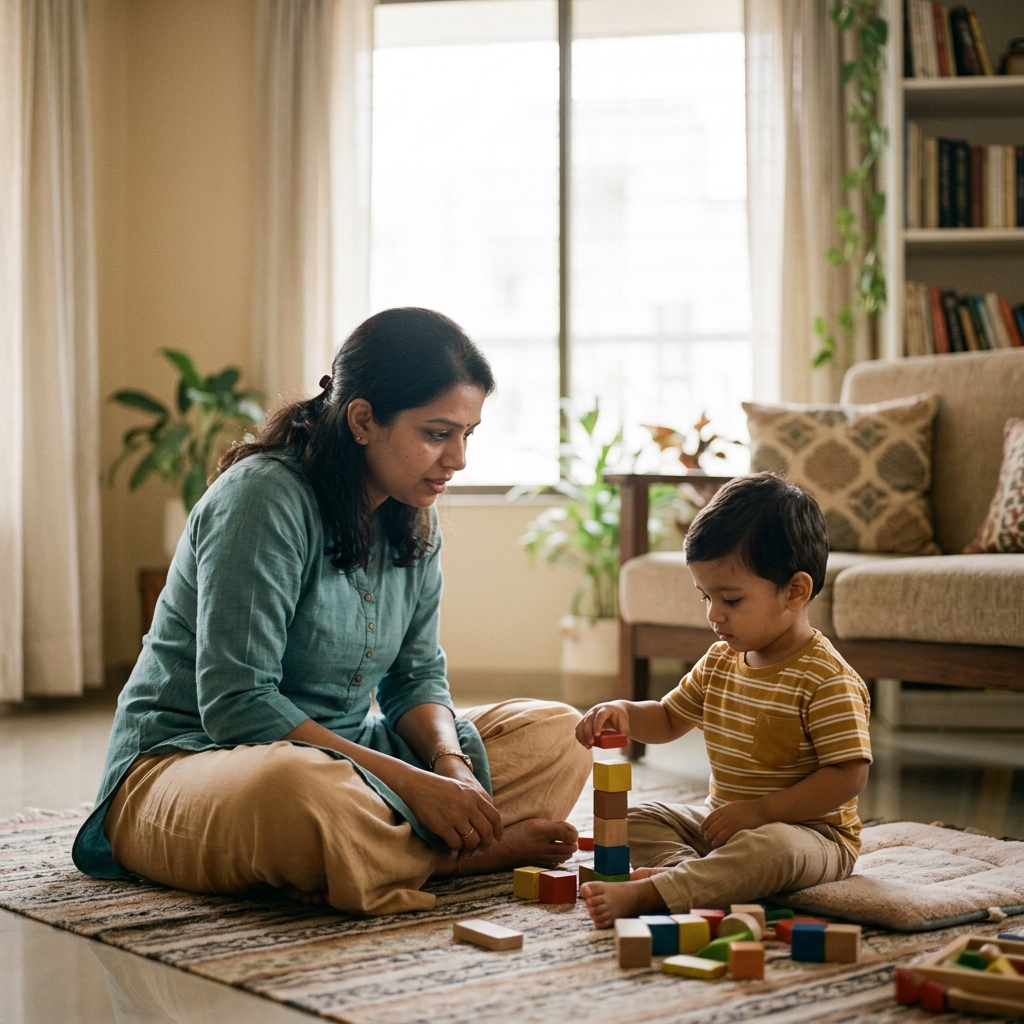

Your child screams during haircuts. They gag at the texture of rice. They crash into furniture on purpose. They can't sit still in class. These behaviours may seem disconnected, but they often share a common root: Sensory Processing Disorder (SPD). SPD affects how the brain receives and responds to sensory information — and it's far more common than most Indian parents realise.
What Is Sensory Processing Disorder?
Sensory processing is the neurological process of organising sensory input from the body and environment so that we can respond appropriately. We process sensory information through eight systems — not just five:
- Visual — sight
- Auditory — hearing
- Tactile — touch
- Gustatory — taste
- Olfactory — smell
- Vestibular — balance and spatial orientation (inner ear)
- Proprioceptive — body position and muscle feedback (joints and muscles)
- Interoceptive — internal body signals (hunger, thirst, toileting, temperature)
In SPD, the brain either over-registers (hypersensitivity), under-registers (hyposensitivity), or poorly discriminates sensory input, leading to responses that seem out of proportion to the situation.
Symptoms by Sensory Type
| Sensory System | Over-Responsive (Avoidant) | Under-Responsive (Seeking) |
|---|---|---|
| Touch | Distress with tags, seams, messy play, certain fabrics | Constantly touching people/objects, unaware of pain |
| Sound | Covers ears at everyday sounds, fear of mixers/flushes | Doesn't respond to name, seeks loud music/TV |
| Movement | Fear of swings, slides, heights, car sickness | Can't stop spinning, running, jumping, crashing |
| Taste/Smell | Extreme picky eating, gags at food textures/smells | Mouths non-food objects, licks/smells everything |
| Visual | Squints in normal light, overwhelmed by busy environments | Fascinated by spinning objects, lights, visual patterns |
| Body position | Appears stiff, avoids physical play, dislikes being picked up | Poor body awareness, bumps into things, heavy-handed |
Important: A child can be over-responsive in one sensory system and under-responsive in another simultaneously. For example, a child might cover their ears at sounds (auditory over-responsive) while constantly crashing into furniture (proprioceptive under-responsive). This mixed presentation is actually very common.
What Causes SPD?
The exact cause is not fully understood, but research points to several contributing factors:
- Genetic predisposition: SPD tends to run in families. Parents often recognise sensory traits in themselves once their child is identified
- Premature birth: Babies born before 37 weeks have higher rates of sensory processing challenges, likely due to incomplete neurological development
- Birth complications: Low birth weight, oxygen deprivation, or NICU stays are associated with increased risk
- Environmental factors: Limited sensory experiences in early life (restricted movement, minimal floor play) may affect sensory system calibration
- Co-occurring conditions: SPD frequently accompanies autism, ADHD, anxiety disorders, and learning disabilities
How Is SPD Diagnosed?
SPD is primarily diagnosed through a comprehensive occupational therapy evaluation that includes:
- Detailed parent and teacher questionnaires (e.g., Sensory Profile 2, Sensory Processing Measure)
- Clinical observation of the child in structured and unstructured activities
- Assessment of motor skills, coordination, and functional performance
- Evaluation of how sensory challenges impact daily life — eating, dressing, sleeping, school, and play
It's worth noting that SPD is not currently listed as a standalone diagnosis in the DSM-5 or ICD-11, though it is widely recognised by occupational therapists, developmental pediatricians, and neuroscience researchers. This diagnostic ambiguity doesn't change the reality of the child's experience or the effectiveness of treatment.
Treatment: Sensory Integration Therapy
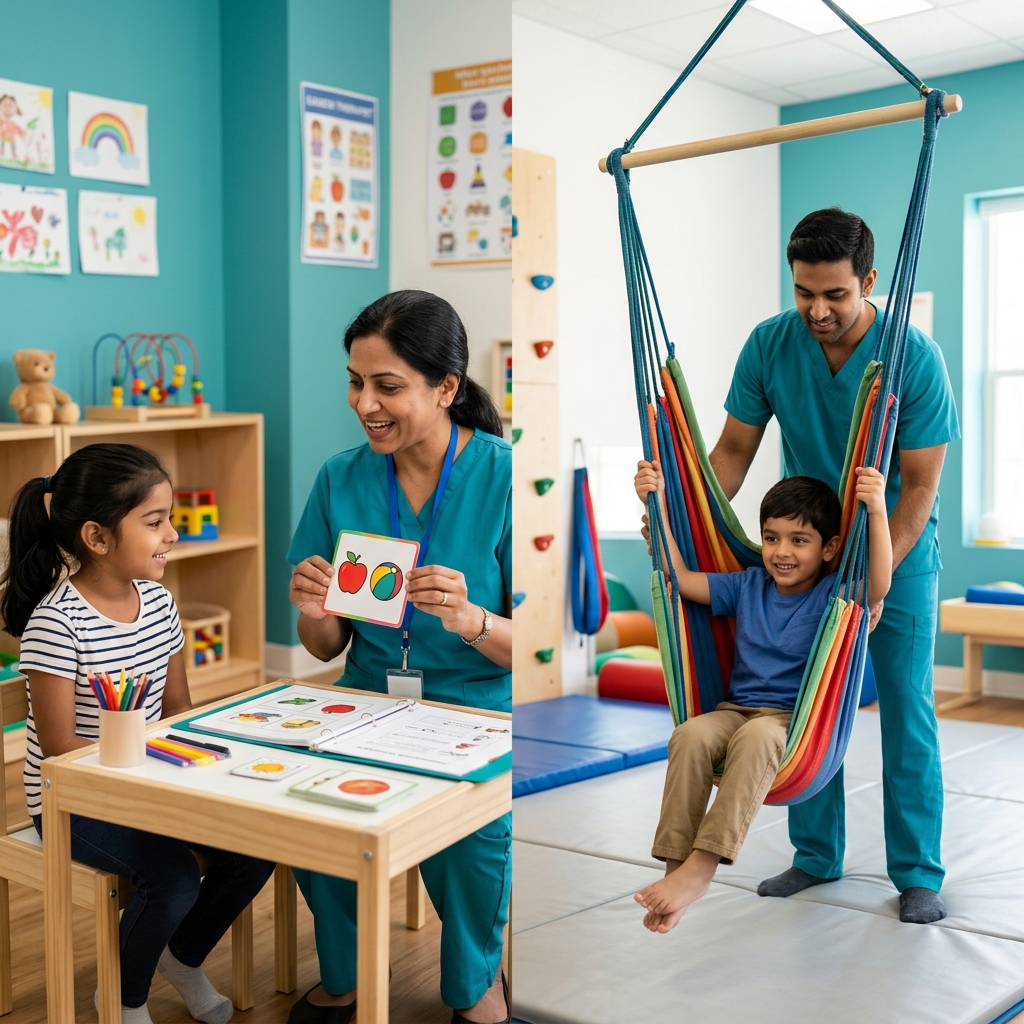
The gold-standard treatment for SPD is Ayres Sensory Integration (ASI) therapy, provided by a trained occupational therapist. This approach involves:
- Sensory-rich environments: Therapy rooms equipped with swings, crash pads, textured materials, weighted items, and climbing structures
- Child-directed play: The child chooses activities that naturally challenge their sensory system within a safe, supportive framework
- "Just-right challenge": The therapist calibrates activities to be challenging enough to promote neural adaptation without triggering a fight-or-flight response
- Sensory diets: A personalised daily schedule of sensory activities for home and school — heavy work before sitting tasks, chewy snacks for oral input, weighted lap pads during class
- Environmental modifications: Noise-cancelling headphones, fidget tools, seating options, and classroom accommodations
What Parents Can Do at Home
While professional therapy is essential, daily sensory strategies make a significant difference:
- Create a sensory corner: A quiet space with soft lighting, weighted blankets, textured cushions, and calming visuals
- Use heavy work activities: Carrying groceries, pushing a loaded trolley, animal walks, climbing — these provide calming proprioceptive input
- Predict and prepare: Before challenging situations (malls, temples, birthday parties), discuss what to expect and have an exit plan
- Respect sensory preferences: Forcing a child to tolerate aversive input rarely helps — gradual, playful exposure is more effective
- Collaborate with school: Share your child's sensory profile with teachers so accommodations can be made in the classroom
SPD Treatment at Rapture Therapy Centre
Our occupational therapy team at Rapture Therapy Centre in Rajarajeshwari Nagar, Bangalore specialises in sensory integration assessment and therapy. We provide comprehensive sensory evaluations, individualised sensory diets, parent training, and school consultation — all designed to help your child participate fully in daily life.
Concerned About Your Child's Sensory Responses?
If everyday experiences like haircuts, meal times, or noisy environments are a battleground, a sensory processing evaluation can provide answers and a clear path forward.
Book a Sensory Evaluation