"They'll grow out of it." "Boys talk late." "Their uncle didn't speak until he was four." In India, well-meaning relatives often encourage parents to wait before seeking speech therapy. But research is unambiguous: the earlier you intervene, the better the outcomes. This guide explains why timing matters, what the science says about critical developmental windows, and how to decide when your child should begin therapy.
The Short Answer: As Early as Possible
There is no "too young" for speech therapy. Children can begin receiving speech-language services as early as 6–12 months if delays are identified. The American Speech-Language-Hearing Association (ASHA) and India's Rehabilitation Council (RCI) both recommend that intervention begin as soon as a delay is suspected — not after a confirmed diagnosis.
Waiting "to see if they catch up" can mean missing the window when the brain is most receptive to language learning.
Why Early Intervention Matters: The Science
The human brain undergoes a period of rapid neural development during the first three years of life. During this time:
- The brain forms over one million new neural connections per second
- Language pathways are being wired and reinforced through exposure and use
- Neuroplasticity — the brain's ability to reorganise and adapt — is at its peak
- The auditory cortex is calibrating to the sounds of the child's native language(s)
After age 5, neuroplasticity doesn't disappear, but it decreases significantly. Therapy can still help older children and adults, but the same skills that take 6 months to develop in a 2-year-old may take 18 months in a 5-year-old.
Key Statistic: Research published in Pediatrics shows that children who begin speech therapy before age 3 are 5 times more likely to achieve age-appropriate language skills by kindergarten compared to those who start after age 5.
Age-by-Age Guide: When to Be Concerned
| Age | Expected Milestone | When to Seek Help |
|---|---|---|
| 6–9 months | Babbling (ba-ba, da-da), responding to name | No babbling, no response to sounds or name |
| 12 months | 1–3 words, pointing, waving | No words, no gestures, no eye contact |
| 18 months | 20–50 words, following simple commands | Fewer than 10 words, not following instructions |
| 24 months | 200+ words, 2-word combinations | Fewer than 50 words, no word combinations |
| 3 years | 3–4 word sentences, 75% intelligible | Strangers can't understand most speech |
| 4 years | Complex sentences, storytelling, 100% intelligible | Persistent sound errors, limited sentence variety |
The Indian Context: Cultural Barriers to Early Intervention
In India, several cultural factors delay families from seeking speech therapy early:
- "Wait and watch" advice from elders: While well-intentioned, this advice can cost critical months of intervention time
- Multilingual homes: A common myth is that children in multilingual families naturally speak later. Research shows bilingualism does not cause speech delay — bilingual children hit the same milestones as monolingual children
- Stigma around therapy: Some families view speech therapy as admitting something is "wrong" with their child. In reality, speech therapy is skill-building — similar to hiring a tutor for academics
- Limited awareness: Many families in Bangalore and across India simply don't know that speech-language pathologists exist or that early intervention services are available
Can You Start Too Late?
No — it's never too late to start speech therapy. While early intervention produces the fastest gains, older children, teenagers, and even adults benefit from therapy. Here's what later intervention looks like:
- Ages 5–7: Therapy focuses on articulation, phonological awareness, and school-readiness language skills. Results are good but require more sessions than earlier intervention
- Ages 8–12: Therapy may address reading comprehension, written language, social communication, and fluency. School-based concerns often trigger referral at this stage
- Teenagers and adults: Stuttering therapy, voice therapy, accent modification, and communication coaching are all effective at any age
What Does Early Speech Therapy Look Like?
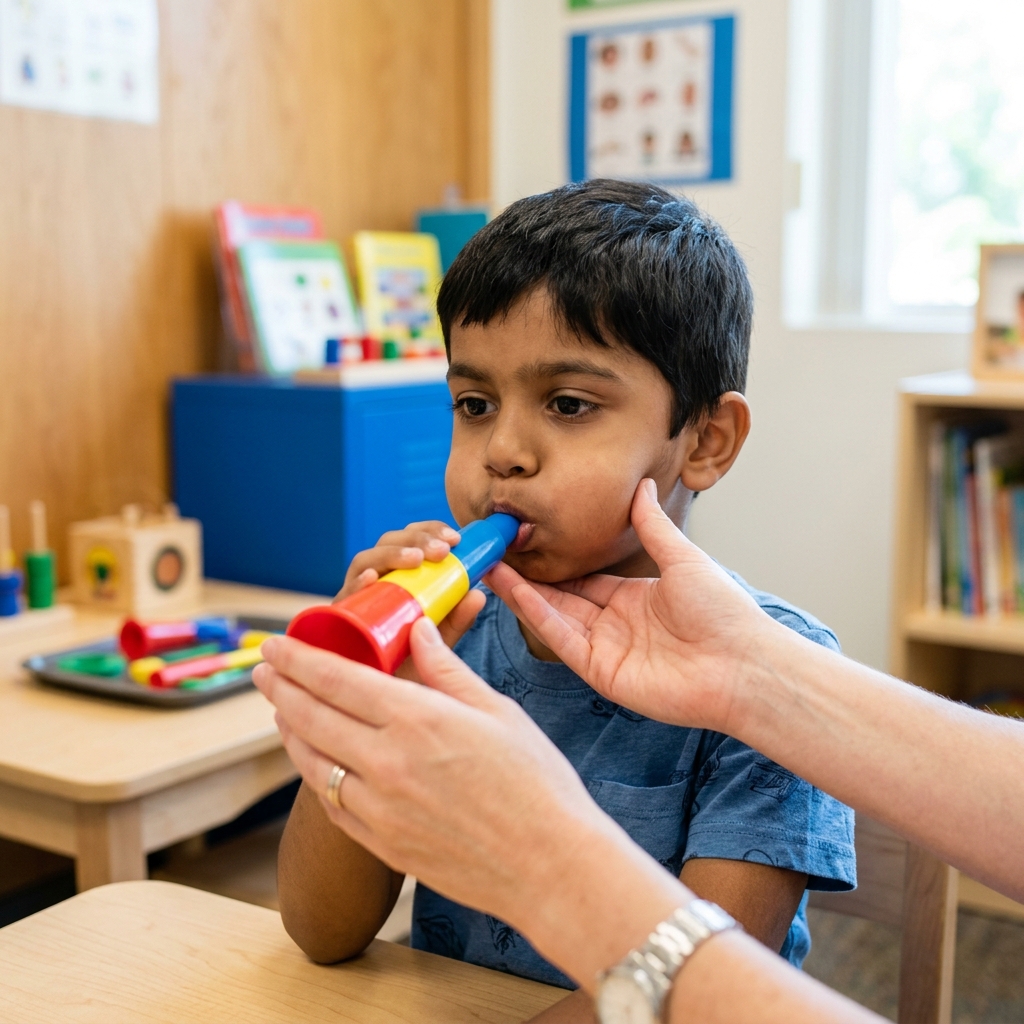
Parents often imagine speech therapy as a child sitting at a desk repeating words. In reality, early speech therapy is play-based. For young children (under 3), sessions typically involve:
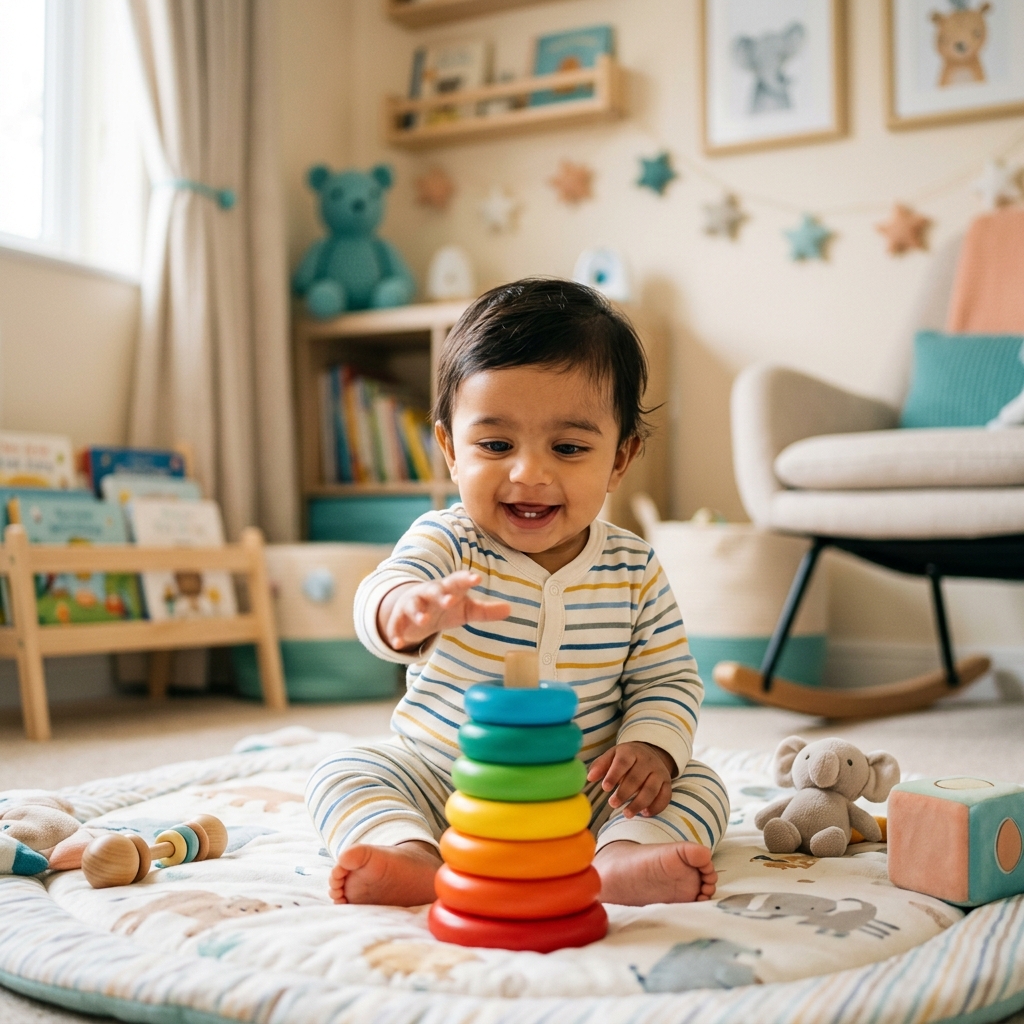
- Playing with toys while the therapist models target words and language structures
- Singing songs and nursery rhymes to build rhythm and sound awareness
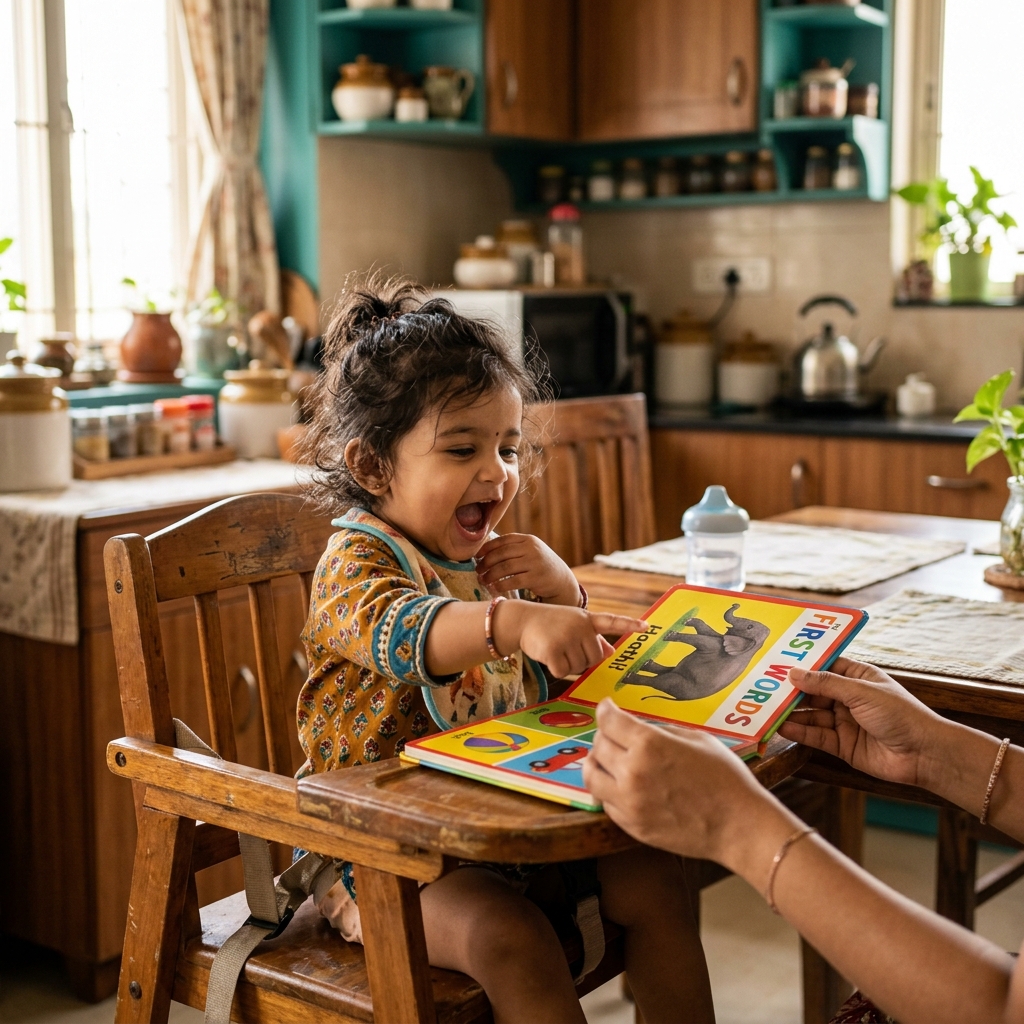
- Reading picture books with interactive commenting
- Parent coaching — teaching you strategies to stimulate language during everyday routines
- Sensory play activities that encourage vocalisation and communication
The child often doesn't even realise they're in "therapy" — it feels like playtime. And the most effective programs involve parents heavily, because you spend far more time with your child than any therapist can.
The Cost of Waiting
Delaying speech therapy isn't free — it has real consequences:
- Academic impact: Children with unresolved speech-language delays are 4–5 times more likely to have reading difficulties in primary school
- Social isolation: Children who can't communicate effectively often withdraw from peers, leading to loneliness and low self-esteem
- Behavioural issues: Frustration from not being understood frequently manifests as tantrums, aggression, or refusal to participate in activities
- Higher long-term costs: Paradoxically, waiting means more intensive (and expensive) therapy later — 6 months of early intervention can prevent years of remedial support
Taking the First Step in Bangalore
At Rapture Therapy Centre in Rajarajeshwari Nagar, Bangalore, we see children from as young as 12 months. Our RCI-registered speech-language pathologists specialise in early intervention and use play-based, family-centred approaches that work within India's multilingual, multi-generational family structures.
If you're unsure whether your child needs therapy, a screening takes just 30 minutes and gives you clarity. There's no downside to checking early — only upside.
Don't Wait to Find Out
The best time to start speech therapy is when you first notice a concern. The second best time is today. Book a screening at Rapture Therapy Centre and get clear, honest answers about your child's communication development.
Book a Screening