Every child develops at their own pace — but when it comes to speech and language, certain milestones follow a predictable timeline. Missing those milestones doesn't automatically mean something is wrong, but it does mean it's worth paying attention. As Bangalore parents navigating a city full of educational expectations and social comparisons, knowing the difference between a "late bloomer" and a child who genuinely needs professional support is essential.
Important: Every child is unique, and a single sign in isolation doesn't confirm a disorder. However, if you notice multiple signs or your instinct tells you something isn't right, a professional evaluation by a certified speech-language pathologist is always a safe and worthwhile step.
1. Your Child Isn't Talking by 18 Months
Most children say their first meaningful words between 12 and 15 months. By 18 months, a typically developing child will have around 20–50 words and will begin combining two words (e.g., "more milk," "daddy go"). If your child is 18 months old and still not producing any recognisable words — or only using a handful — it's time to consult a speech therapist.
Late talking is one of the most common reasons parents in Bangalore visit our clinic. While some late talkers do catch up on their own, research shows that approximately 20–30% of late talkers continue to have language difficulties that affect school readiness and social development.
2. Difficulty Understanding Simple Instructions
Speech therapy isn't only about talking — it also covers receptive language, which is the ability to understand what others say. By age 2, children should follow simple one-step instructions like "give me the ball" or "come here." By age 3, they should manage two-step instructions such as "pick up your shoes and put them by the door."
If your child consistently seems confused by routine instructions, doesn't respond to their name, or appears to "tune out" during conversations, this may indicate a receptive language delay that benefits from early intervention.
3. Speech Is Difficult to Understand
It's normal for toddlers to be unclear at times — even parents don't catch every word. However, there are benchmarks for speech intelligibility:
- By age 2: Familiar listeners (parents) should understand about 50% of the child's speech
- By age 3: Unfamiliar listeners should understand about 75%
- By age 4: Most people should understand nearly 100%, even if some sound errors persist
If grandparents, teachers, or other adults frequently say "I can't understand what they're saying," this is a meaningful signal. Persistent sound substitutions (e.g., saying "tat" for "cat" or "wabbit" for "rabbit") beyond age 4 warrant an assessment.
4. Stuttering That Persists Beyond Age 4
Many children go through a period of developmental disfluency between ages 2 and 4. They might repeat words or syllables ("I-I-I want that") as their brain races ahead of their mouth. This is usually temporary.
However, if stuttering continues beyond age 4, becomes more frequent, involves physical tension (jaw clenching, eye blinking, head turning), or if your child shows frustration or avoidance around speaking, seek a fluency evaluation. Early stuttering therapy has high success rates.
5. Limited Vocabulary for Their Age
Vocabulary size is one of the most reliable predictors of language development. Here's a rough guide:
| Age | Expected Vocabulary |
|---|---|
| 12 months | 1–3 words |
| 18 months | 20–50 words |
| 24 months | 200–300 words, 2-word phrases |
| 36 months | 1,000+ words, 3–4 word sentences |
| 4 years | 1,500–2,000 words, complex sentences |
If your child is significantly below these benchmarks, a speech-language evaluation can determine whether intervention would be beneficial.
6. Not Using Gestures by 12 Months
Before words come gestures. By 12 months, babies should be pointing, waving, shaking their head for "no," and reaching to be picked up. These pre-linguistic communication skills are the foundation of speech. A child who isn't using gestures may benefit from early speech-language support even before their first birthday.
7. Difficulty Playing With Other Children
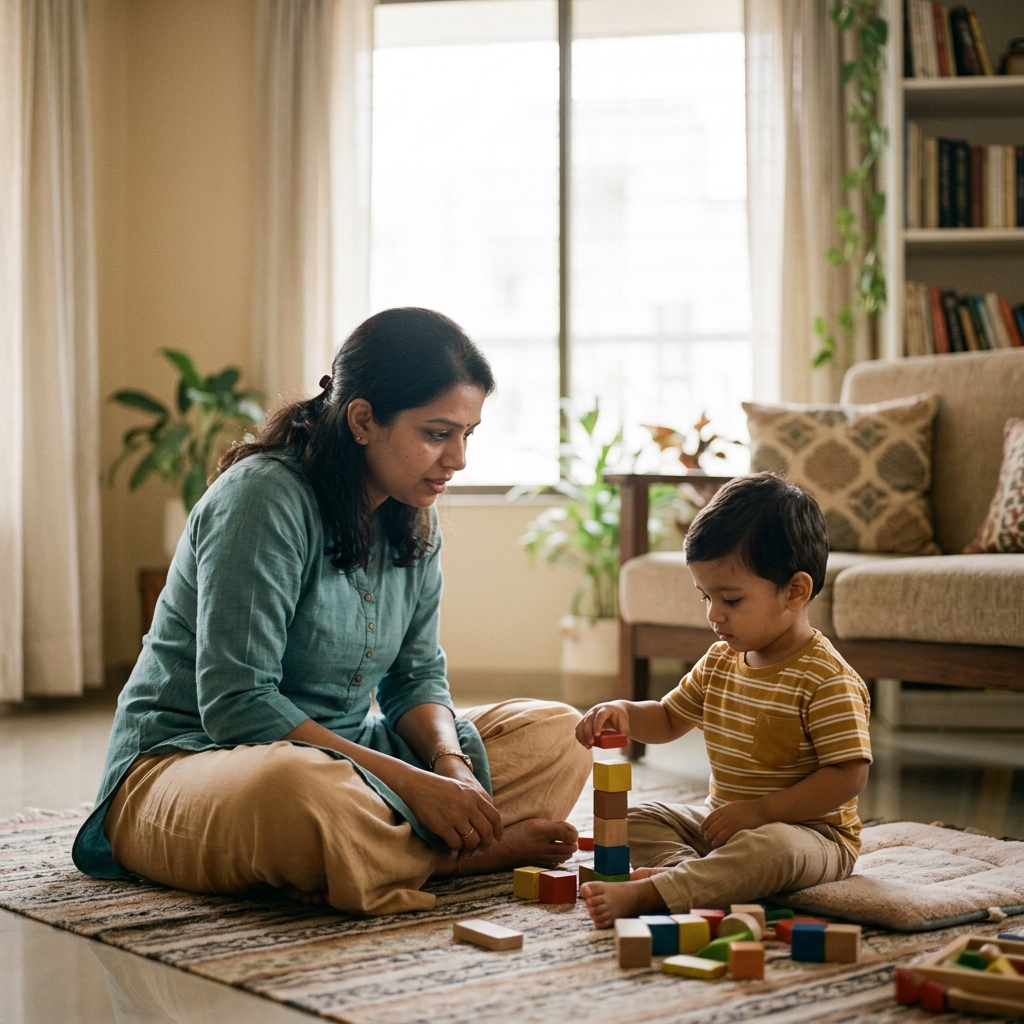
Language isn't only about words — it's about social communication. If your child struggles to take turns during play, doesn't understand simple rules in group games, or avoids interacting with peers entirely, this may reflect underlying language or social communication challenges. Speech therapists work on pragmatic language skills that help children navigate social situations.
8. Regression — Losing Words They Previously Had
If your child was saying words or phrases and then stopped using them, this is called language regression. While temporary regression can happen during illness or major life changes, persistent loss of language skills — especially between 15 and 24 months — is a red flag that should be evaluated promptly. Language regression is sometimes associated with autism spectrum disorder and always warrants professional attention.
9. Frustration and Behavioural Outbursts
Children who can't express their needs verbally often resort to tantrums, hitting, biting, or screaming. If your child's meltdowns seem disproportionate to the situation, consider whether communication frustration might be the root cause. When children gain the language tools to express themselves, behavioural issues often decrease dramatically.
10. Teachers or Caregivers Have Raised Concerns
Preschool teachers and daycare providers observe hundreds of children and have a trained eye for developmental patterns. If a teacher mentions that your child is quieter than peers, not participating in circle time, or struggling with classroom instructions, take that feedback seriously. It's one of the most reliable external signals that an evaluation may be helpful.
What Happens During a Speech Therapy Assessment?
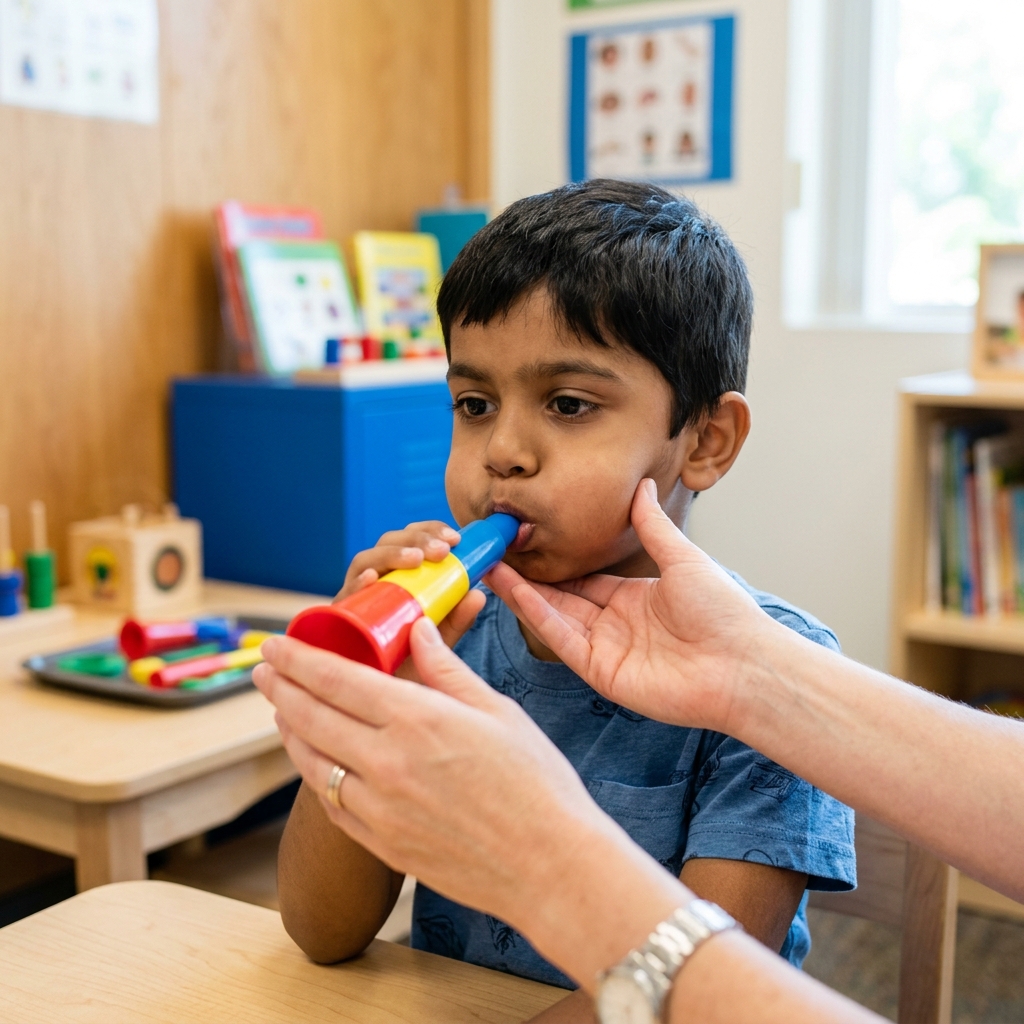
A speech-language assessment at Rapture Therapy Centre in Rajarajeshwari Nagar, Bangalore is child-friendly and play-based. Our certified speech-language pathologists will:
- Take a detailed developmental history from parents
- Observe your child's natural communication in a comfortable setting
- Assess speech sounds, vocabulary, sentence structure, and comprehension
- Screen for related areas including oral-motor skills and hearing
- Provide a clear, honest report with recommendations
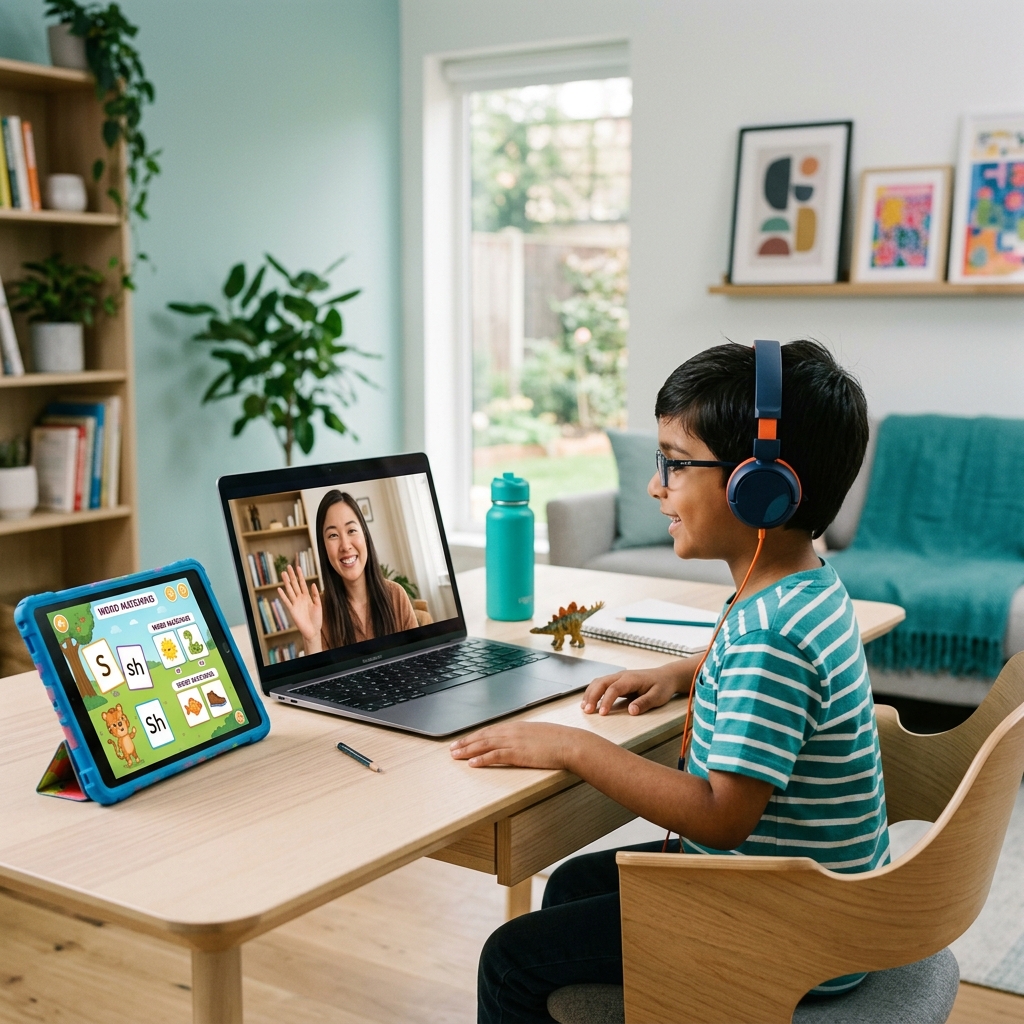
If therapy is recommended, we design individualised programs that fit into your family's routine. Sessions are typically 45–60 minutes, and we involve parents in every step so progress continues at home.
Noticed Any of These Signs?
Don't wait and wonder. Our experienced speech-language pathologists at Rapture Therapy Centre offer comprehensive, play-based assessments for children of all ages. Early support makes a lasting difference.
Book a Speech Assessment